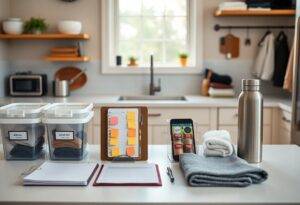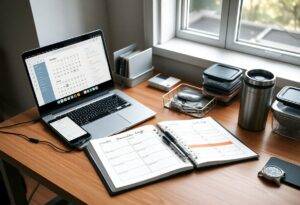


Ourway.life Launch: Kenji’s Guide to Life Hacks & Travel Gadgets

Welcome to Ourway.life – your ultimate resource for mastering life hacks and travel essentials. Hosted by Kenji, our cyberpunk-inspired guide, this blog and store delivers compact, clever gadgets that simplify your world. Whether you’re jetting off on adventure or optimizing daily routines, discover tools that work.

Why Life Hacks Matter in 2026
Life moves fast. In a world of endless notifications and packed schedules, small efficiencies create big wins. Life hacks aren’t gimmicks – they’re proven shortcuts using smart gadgets. Travel hacks take it further: Turn airport chaos into seamless journeys with the right gear. Ourway.life curates tested travel gadgets and productivity tools for real users – no fluff, just results. Kenji’s neon-blue logo symbolizes unlocking potential, from packing smarter to staying powered anywhere.

Top 5 Must-Have Gadgets for Travel Hacks
Start with these essentials under $30 – each solves a common pain point.

Gadget: Universal Travel Adapter
Hack Benefit: Charges in 200+ countries; 4 USB ports
Price Range: $15-25

Gadget: RFID-Blocking Wallet
Hack Benefit: Prevents digital pickpocketing; slim design
Price Range: $10-20

Gadget: Compression Packing Cubes
Hack Benefit: Fits 2x more clothes; machine-washable
Price Range: $12-18

Gadget: Solar Portable Charger
Hack Benefit: Off-grid power; waterproof for hikes
Price Range: $20-30

Gadget: Cable Organizer Pouch
Hack Benefit: Ends tangles; fits in pocket
Price Range: $8-15

These picks come from real-world testing – think red-eye flights, beach getaways, and remote work setups.

Kenji’s Life Hack Philosophy
Kenji embodies the hacker mindset: Hack smarter, live freer. Forget bulky luggage or dead batteries. Our travel hacks focus on portability:

  • Layered packing: Cubes + multi-tools = carry-on only.
  • Power independence: Solar chargers beat outlet hunting.
  • Security first: RFID gear protects passports and cards.

Daily life hacks extend this: Cable organizers declutter desks, noise-masking earbuds boost focus. Every product aligns with minimalist cyberpunk aesthetics – sleek, functional, neon-edged.

First Drop: Exclusive Launch Offer
Shop our inaugural collection now:

  • 15% off with code KENJI15 (limited to first 100 orders).
  • Free worldwide shipping on orders over $50.
  • 30-day returns for hassle-free testing.

Explore categories like Travel Essentials, Daily Productivity, and Biohacking Basics. Stock rotates weekly based on top hacks.

Join the Ourway Community
Follow for weekly drops:

  • Instagram: Daily hack tips @ourway.life
  • Newsletter: Gadget alerts + exclusive codes
  • Blog: In-depth reviews coming soon

Tag us in your hack wins – best shares get featured. Ready to upgrade? Visit ourway.life today.

Hack on.
Kenji & Team Ourway

Ourway.life Launch: Kenji’s Guide to Life Hacks & Travel Gadgets Welcome to Ourway.life – your ultimate resource for mastering life hacks and travel essentials. Hosted by Kenji, our cyberpunk-inspired guide, this blog and store delivers compact, clever gadgets that simplify your world. Whether you’re jetting off on adventure or optimizing daily routines, discover tools that work. Why Life Hacks Matter in 2026Life moves fast. In a world of endless notifications and packed schedules, small efficiencies create big wins. Life hacks aren’t gimmicks – they’re proven shortcuts using smart gadgets. Travel hacks take it further: Turn airport chaos into seamless journeys with the right gear. Ourway.life curates tested travel gadgets and productivity tools for real users – no fluff, just results. Kenji’s neon-blue logo symbolizes unlocking potential, from packing smarter to staying powered anywhere. Top 5 Must-Have Gadgets for Travel HacksStart with these essentials under $30 – each solves a common pain point. Gadget: Universal Travel AdapterHack Benefit: Charges in 200+ countries; 4 USB portsPrice Range: $15-25 Gadget: RFID-Blocking WalletHack Benefit: Prevents digital pickpocketing; slim designPrice Range: $10-20 Gadget: Compression Packing CubesHack Benefit: Fits 2x more clothes; machine-washablePrice Range: $12-18 Gadget: Solar Portable ChargerHack Benefit: Off-grid power; waterproof for hikesPrice Range: $20-30 Gadget: Cable Organizer PouchHack Benefit: Ends tangles; fits in pocketPrice Range: $8-15 These picks come from real-world testing – think red-eye flights, beach getaways, and remote work setups. Kenji’s Life Hack PhilosophyKenji embodies the hacker mindset: Hack smarter, live freer. Forget bulky luggage or dead batteries. Our travel hacks focus on portability: Daily life hacks extend this: Cable organizers declutter desks, noise-masking earbuds boost focus. Every product aligns with minimalist cyberpunk aesthetics – sleek, functional, neon-edged. First Drop: Exclusive Launch OfferShop our inaugural collection now: Explore categories like Travel Essentials, Daily Productivity, and Biohacking Basics. Stock rotates weekly based on top hacks. Join the Ourway CommunityFollow for weekly drops: Tag us in your hack wins – best shares get featured. Ready to upgrade? Visit ourway.life today. Hack on.Kenji & Team Ourway

Upgrade Your Travel Gear

Discover our latest gadgets designed to make your travels smarter, easier, and more fun. Hack your life with Ourway.life!
Travel

How To Invest In Experiences, Not Things – The Ultimate Life Hack For Happiness

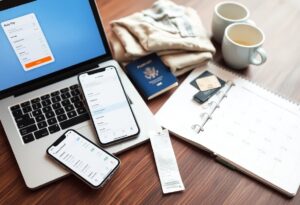
Most people equate buying stuff with happiness, but I show you how to invest in experiences that create lasting joy, reduce buyer’s regret, and build meaningful memories you own; follow my steps and you’ll transform your spending into sustained well-being. Key Takeaways: Experiences produce longer-lasting happiness than material purchases, creating memories that shape identity. Shared experiences strengthen social bonds and boost well-being more than solitary material goods. Novel experiences resist hedonic adaptation, keeping enjoyment fresh through storytelling and memory. Anticipation and reflection amplify the value of experiences, so plan and savor them intentionally. Experiences avoid maintenance, depreciation, and clutter, reducing ongoing financial and physical costs. Experiential spending aligns with personal values and identity, resulting in more meaningful choices. Prioritize shared, novel, and anticipated experiences; set a budget and document memories to extend their payoff. How to Audit Your Current Spending Habits Audit your last three months of statements; I categorize purchases into needs, wants, and subscriptions so you can spot where money leaks. Mark recurring charges and impulse buys, then estimate true monthly cost. That simple list reveals hidden expenses and quick wins to free cash for experiences. Identifying hidden costs of maintaining physical goods Spot storage, repairs, insurance, and time costs tied to your possessions; I track annual totals to show their true burden. You may find a cheap hobby item costs more over years than a memorable trip, so tagging these maintenance expenses makes reallocation obvious. Reallocating your budget toward an experience fund Shift small monthly amounts from nonnecessary categories into an experience fund; I set an autopay so I don’t miss the transfer. You’ll find consistency beats one-off splurges, and building the fund creates the expectation and planning needed for richer, lasting memories. When I reallocate, I list low-value subscriptions to cancel, sell unused items, and redirect proceeds into an experience fund. I automate transfers, trim a small daily habit, and keep contributions predictable so they accumulate. I also guard my emergency savings-do not touch it-and monitor the fund so I spend on meaningful moments rather than impulse purchases. How to Choose Skill-Based Investments Over Luxury Items Choosing skill-based investments helps me prioritize growth and memories; I assess time, transferability, and joy ROI to favor competence-building activities and avoid short-lived pleasure and buyer’s remorse. Investing in classes and workshops for lasting fulfillment I enroll in targeted classes and workshops that teach practical skills, giving me lasting competence, social bonds, and repeatable experiences instead of fleeting luxury. Developing hobbies that provide recurring experiential value Hobbies that grow skills and friendships keep delivering joy; I choose ones where practice yields ongoing rewards and avoid those that only mimic status. When I choose a hobby I look for progression, community, and low recurring cost so practice compounds into sustained satisfaction rather than occasional thrills. I set measurable milestones and drop activities that drain time without growth to steer clear of the trap of sunk-cost inertia. You can convert small, consistent effort into compounding happiness by picking pursuits that scale with practice. Conclusion I invest in experiences because they deepen my relationships, sharpen my perspective, and deliver lasting joy; you can prioritize travel, learning, or practice random acts of kindness : r/Millennials to amplify value in your life. FAQ Q: What does “invest in experiences, not things” mean and why does it increase happiness? A: Investing in experiences means spending money, time, and attention on activities, travel, learning, and shared moments instead of on material possessions. Research links experiences to greater long-term happiness because memories adapt less quickly than possessions, experiences shape personal identity, and events often strengthen social bonds. Anticipation of an upcoming trip or class and the stories people tell afterward both extend pleasure beyond the moment. Emotional value of experiences grows with time as memories get richer and more central to a person’s narrative. Q: How can I prioritize experiences when I have a tight budget? A: Start by tracking your spending for a month to see how much currently goes to things versus activities. Create a dedicated experiences fund and set a modest monthly target you can actually meet. Prioritize low-cost, high-return options like day trips, local cultural events, workshops, or having friends over for themed dinner nights. Use off-peak dates, community resources, swaps, and group discounts to lower costs without losing the memory-making effect. Pay for major experiences with saved money rather than impulse credit-card purchases to reduce post-event stress. Q: Which types of experiences deliver the most lasting happiness? A: Choose experiences that involve meaningful social interaction, novelty, a manageable challenge, or skill-building tied to your values. Shared activities and cooperative challenges produce strong social memories that people retell and relive. Low-cost examples include hiking with friends, community classes, museum memberships, and volunteering; mid-range ideas include weekend trips, workshops, and local festivals; big-ticket experiences include extended travel, immersive courses, or retreats planned for cultural connection. Repeated small experiences plus an annual larger adventure often beats sporadic big purchases for sustained well-being. Q: How do I avoid disappointment or buyer’s remorse when spending on experiences? A: Set realistic expectations by researching logistics, reviews, and typical conditions before booking so surprises are minimized. Prepare a flexible plan with one or two anchors (must-see items) and open time for spontaneous discovery to reduce stress. Practice savoring during and after the event: focus on sensory details, take a few photos to capture moments rather than replacing them, write a short note about a highlight each day, and share stories with friends. Limit souvenir shopping to small meaningful tokens that cue memories rather than trying to buy the feeling of the experience. Q: How should I balance spending on experiences with buying useful things? A: Use a simple rule: prioritize experiences for boosting happiness, but buy material items when they enable more experiences or remove recurring friction, such as a durable backpack, good-quality shoes, or weather-appropriate outerwear. Create three spending categories-imperatives, experience-enablers, and pure consumption-and allocate most discretionary funds to experiences and enablers. Combine gifting and celebrations into shared

Read More
Travel

How To Build A Morning Routine That Transforms Your Travels And Life

Travel often forces adaptation, so I craft a routine that centers on consistency, avoids sleep deprivation that derails trips, and prioritizes hydration and movement; I show you simple habits to sharpen your focus and boost resilience for travel and life. Key Takeaways: Set a consistent wake time that aligns with your travel itinerary to anchor days and reduce jet lag. Prioritize sleep hygiene: dim lights, limit screens before bed, and pack earplugs and an eye mask. Create a portable, minimal routine (hydrate, stretch, five-minute journaling) that works in hotels and hostels. Use morning sunlight and movement to reset your circadian rhythm and boost energy for exploration. Plan one intentional daily goal to turn travel days into meaningful experiences and maintain personal momentum. Set digital boundaries by scheduling message checks and relying on offline maps or notes when possible. Pack small tools that support rituals: travel mug, resistance band, notebook, and simple sleep aids. How to Design a Flexible Morning Framework I build a morning framework that adapts to travel by setting fixed anchors-short rituals like hydration and two-minute journaling-while varying duration and order so I keep momentum and you save decision energy. Selecting high-impact activities for mental clarity My go-to activities prioritize attention: breathwork, 5-10 minutes of focused reading, and quick movement; I keep sessions short so you maintain clarity on travel days and avoid decision fatigue. Structuring your sequence for maximum efficiency Ordering activities by intensity and cognitive load lets me frontload high-focus tasks and leave easier rituals for the road, so you keep momentum and reduce morning stress. When I plan sequence, I group tasks by required focus, schedule a 2-3 minute buffer between activities, and test order on travel days; this practice reveals what drains energy so you can protect your peak focus windows. How to Adapt Your Rituals to Diverse Environments Adapting my rituals means I test what fits each place, scale routines to time and space, and protect consistency while avoiding overexertion; I show you quick checks for safety and simple swaps to keep momentum. Modifying exercises for limited hotel spaces Compact rooms force creativity; I swap bodyweight flows, chair-supported stretches, and low-impact cardio so you keep strength without risking injury, and I show you how to adapt intensity to your space while preserving consistency and privacy. Finding stillness in high-movement travel schedules Stillness becomes a portable skill; I carve five-minute breathing sets, micro-meditations and anchor rituals that silence overwhelm so you restore mental clarity and protect your trip’s momentum with simple, repeatable practices. I expand on techniques I use to find calm amid motion: a 4-4-8 breath on arrival, a two-minute body scan between transfers, and a tactile anchor-like a ring or scarf-to ground attention. I schedule micro-practices during natural pauses, limit stimulants that worsen overwhelm, and prioritize hydration to reduce risk of fatigue or dehydration, safeguarding sleep and focus. Overcoming Common Obstacles to Morning Productivity Habit shifts on the road test my discipline; I carve a short, repeatable sequence that fits any hotel or hostel. I prioritize sleep debt recovery, hydration, and a two-minute movement to preserve my morning momentum while traveling. Navigating social pressures and group itineraries Groups often push later starts, so I state my needs and propose compact alternatives that keep plans social while guarding my early focus. You can model a calm, flexible leader to protect your routine without derailing the group vibe. Re-establishing focus after travel disruptions After sleepless nights I reset with a two-step approach: 5-10 minutes of breathwork, then one small, tangible task to rebuild momentum. I treat this as damage control, not failure, and protect that tiny win to restore your productive morning. I use three practical steps to regain focus after travel chaos: reset physiology with sunlight or a cold splash, reduce decision fatigue by pre-choosing one priority, and anchor rhythm with a brief, repeatable ritual like journaling or stretching. When sleep debt feels dangerous, I schedule a 20-30 minute strategic nap and shift nonvital tasks. You will find that protecting that first small success creates momentum and prevents a slip from becoming a full-day derailment. Summing up From above I show how I build a morning routine that anchors my travels and life: I prioritize sleep, hydrate and move, set one clear intention, and you and your travel days benefit from steadier focus, better decisions, and richer experiences. FAQ Q: What benefits does a morning routine bring to travel and everyday life? A: A consistent morning routine boosts energy, mental clarity, and mood so travelers can make better use of limited daylight and activity windows. Simple rituals reduce decision fatigue by automating small choices, which frees willpower for trip planning and social interactions. Better light exposure and sleep timing lower jet-lag symptoms and speed recovery after long flights. Intent-setting and brief reflection help turn chaotic travel days into purposeful experiences that build positive habits at home. Q: How do I design a compact, travel-friendly morning routine? A: Start by choosing three core anchors that fit your goals, for example hydration, movement, and a two-minute planning or breathing practice. Keep the total time between 5 and 30 minutes depending on travel constraints and commit to a minimalist kit: refillable water bottle, resistance band or bodyweight moves, a small notebook or notes app, eye mask for sleep control. Pick an order that matches your environment, set a realistic alarm, and prepare clothes and crucials the night before to reduce friction. Test the routine for a few days and simplify anything you skip frequently. Q: How should I adapt a morning routine when crossing time zones or dealing with jet lag? A: Shift exposure to bright light toward the target time zone morning as soon as possible to reset your circadian rhythm. Gradually move your sleep and wake times by 30-60 minutes in the days before long trips when feasible. Use short naps (20-45 minutes) only if they help function without wrecking nighttime sleep. Consider low-dose melatonin timed to the new bedtime if sleep onset

Read More
Travel

How To Automate Your Finances For A Stress-Free Travel Life

Most travelers want freedom, so I automate my finances to protect your trips: I set automatic bill payments, schedule buffer savings to avoid late fees, and monitor accounts so you and I can focus on travel, not money. Key Takeaways: Set clear travel goals and a monthly budget to determine how much to automate for trips. Automate income and regular bills with direct deposit and scheduled payments to avoid missed due dates. Create an emergency fund with automatic transfers to a separate high-yield savings account for unexpected changes. Automate travel savings using a dedicated account or rule-based transfers (percentage of paychecks or round-ups). Consolidate accounts where practical and enable alerts for low balances, upcoming payments, and unusual activity. Pick travel-friendly cards and banks with no foreign transaction fees, built-in travel rewards tracking, and instant card controls. Review automations periodically, update amounts after life changes, and secure accounts with MFA and strong passwords. Building an Automated Travel Savings Strategy My automated travel savings mixes scheduled deposits with round-ups so I avoid last-minute scrambles and you keep trips funded; I watch high-yield growth and control withdrawals to stay on track. How to schedule transfers to high-yield travel funds Schedule weekly transfers to a high-yield account and I align amounts with your trip timeline, so you benefit from compound interest while minimizing impulse spending and avoiding fee surprises. Utilizing automated round-up tools for extra capital Round-ups sweep spare change into a travel pot and I let micro-savings accumulate automatically, giving you extra capital without changing daily habits. I use apps that round purchases to the nearest dollar and move the difference to a separate travel fund; they can generate hundreds annually, but I monitor subscription fees and account security so your small wins don’t get eroded. Conclusion Hence I automate bills, savings, and a travel fund so I reduce stress; you can set recurring transfers and alerts, and read How To Make Travel An Everyday Part Of Your Financial Life to build your own system. FAQ Q: How do I set up automated bill payments so I don’t worry about due dates while traveling? A: Start by listing all recurring bills and their due dates. Set up autopay on each provider’s website or through your bank, choosing a payment date a few days before the official due date to allow for processing delays and time zone differences. Link a primary checking account or a credit card that has enough buffer and a backup funding source for unexpected shortfalls. Enable email and SMS payment confirmations and low-balance alerts so you receive real-time notices. Review autopay settings quarterly and update payment methods before a card expires. Q: Which accounts and tools should I automate to simplify travel finances? A: Automate transfers from your paycheck to a travel savings account and a separate emergency fund. Schedule recurring contributions to retirement and investment accounts to keep long-term goals on track. Use budgeting apps that support rules and auto-categorization (examples: YNAB, Mint, or bank-native tools) to track spending without manual entry. Set up automatic credit card payments for the statement balance or a set percentage to avoid interest. Consider a multi-currency account or a travel-focused card that automatically handles currency conversions with low fees. Q: How can I handle currency exchange and spending abroad automatically? A: Open a multi-currency account or a travel wallet that lets you preload or auto-top-up in local currency when exchange rates hit a target you choose. Use a travel credit card with no foreign transaction fees as the primary spending card and set a secondary backup card on file for autopay and large purchases. Enable transaction alerts and daily spending limits to detect unusual activity quickly. Schedule automatic small transfers into a dedicated travel checking account to cover daily expenses, leaving your main accounts undisturbed. Q: What automated security measures protect my money while I’m traveling? A: Enable two-factor authentication on all financial accounts and use an authenticator app rather than SMS where possible. Turn on card controls that allow instant lock/unlock, set travel notices in advance with banks that require them, and activate transaction alerts for large or foreign charges. Use single-use or virtual card numbers for online purchases and subscriptions tied to travel. Schedule automatic backups of statements to an encrypted cloud folder and keep an up-to-date list of bank contact numbers stored securely offline. Q: How do I keep oversight of my finances without checking them constantly on the road? A: Configure weekly or monthly summary emails from your bank and budgeting app so you see balances and spending trends at a glance. Set push notifications for transactions above a chosen threshold and for low balances to catch problems quickly. Create automated rules that tag and categorize travel expenses so reports show exactly what you spent on transport, lodging, food, and activities. Schedule a brief weekly review on a fixed day to scan totals and adjust autopay or transfer amounts if needed.

Read More
Uncategorized

How‑To Organize Your Life Better With These Practical Life Hacks

This guide shows how I organize daily routines, clear clutter, and set easy systems so you and your home stay orderly; I share my favorite methods and link to 7 Organizing Hacks That Work in Every Room in Your House for extra ideas. Key Takeaways: Declutter one small area for 10 minutes each day to reduce overwhelm and make upkeep manageable. Use a digital calendar and time-blocking to assign specific windows for focused work and personal tasks. Adopt the two-minute rule: if a task takes two minutes or less, do it immediately to prevent buildup. Automate recurring payments and routine tasks; batch similar chores to minimize context switching. Schedule a weekly review to update priorities, plan the week, and clear out loose ends. Arrange frequently used items and documents within easy reach and label storage for faster routines. Prioritize consistent sleep, hydration, and short movement breaks to sustain focus and decision quality. Practical Tips for Immediate Efficiency Practical tips I use daily cut clutter, speed decisions, and free time; try quick wins like inbox rules and one-touch sorting. See 15 Underrated Organizing Hacks That Will Change Your Life! for more ideas. Knowing these small moves makes your day flow better. Set a 5-minute morning tidy Archive or delete emails immediately Use visible lists for today’s top three Implementing the Two-Minute Rule for Small Tasks Quick tasks under two minutes I finish immediately, so your list shrinks fast; I teach you to act on emails, small calls, and quick tidies to stop buildup. Utilizing Time-Blocking for High-Priority Projects Focused blocks I assign to deep work protect your priority tasks; you will see progress when I remove distractions and set clear 60-90 minute slots. I plan my week by grouping similar work into blocks, and I treat each block as non-negotiable so interruptions are limited; you should label blocks by outcome, add 10-15 minute buffers between them, and set a single objective per block. I review weekly to adjust durations, and I protect your peak hours for creative or high-impact tasks so momentum builds steadily. Critical Factors for Long-Term Consistency Consistency depends on systems I can maintain and goals you set so habits stick; small routines beat bursts of effort. I split tasks into daily, weekly, monthly actions to avoid overwhelm and to track progress. I focus on habit loops you can follow I design environments that reduce friction for your routines I keep resources accessible so you act without delay Perceiving patterns helps me, and I tune routines to what actually works for you. Psychological Readiness and Habit Loop Formation Motivation shifts when I design a clear cue-routine-reward loop you can follow; I test tiny actions so the loop reinforces itself and I note triggers to reduce friction so your habit becomes automatic. Resource Accessibility and Environmental Design Access to tools I set up and spaces you arrange reduces excuses; I keep vitals visible and within reach so your routines flow without decision fatigue. Organizing my physical and digital spaces so you can complete tasks quickly makes consistency realistic. I create zones for work, rest, and chores, label containers, and keep backups of vitals where you act most. I simplify decision points by prepacking, automating replenishment, and scheduling quick weekly resets that sustain your routines. Advanced Strategies for Minimizing Decision Fatigue I reduce decision load by batching choices, preset routines, and default options that keep your day predictable while freeing mental energy for meaningful tasks. Batch choices into focused windows to cut repeated small decisions. Set default options for meals, outfits, and work modes. Schedule a fixed weekly review to close open loops. Strategy Action Batching Group similar tasks (email, errands) into single slots Defaults Preselect meals, clothes, and routines for weekdays Weekly review Use a compact checklist to clear backlogs and plan Standardizing Recurring Daily Choices Set predictable outfits, meals, and morning routines so you make fewer small choices; I recommend a two-option rule to avoid rigidity while keeping consistency. Developing a Systematic Weekly Review Protocol Create a weekly review template I use to audit priorities, clear backlogs, and schedule focused work; when you follow a compact, consistent checklist, choices feel smaller and clearer. During my weekly review I scan calendar, email, projects, and energy levels, then assign one clear next action per item; I block time and adjust priorities so decision points shrink and follow-through improves. Final Words Now I urge you to adopt simple daily systems: I plan priorities, limit distractions, and declutter so your schedule becomes clearer, productivity rises, and stress falls-apply these habits consistently to gain lasting order. FAQ Q: How can I build a simple daily routine that I will actually follow? A: Build a daily routine by choosing three Most Important Tasks (MITs) to complete before less critical work. Block time on your calendar for focused work, exercise, and planning so the day has clear anchors. Use habit stacking by attaching a new habit to an existing one, for example, write a quick to-do list right after your morning coffee. Set timers to mark transitions and protect start and stop times. Review your day for five minutes each evening and adjust tomorrow’s MITs based on what worked and what didn’t. Q: What practical steps will cut clutter in both my physical and digital spaces? A: Clear physical clutter with short, repeatable sessions: spend 15 minutes on one area and remove items you no longer use. Sort possessions into keep, donate, recycle, and trash piles, then assign a permanent home for everything you keep. Label storage and group like items together to speed retrieval. For digital clutter, unsubscribe from unnecessary lists, delete files you no longer need, and create a minimal folder structure with consistent naming. Automate backups and sync only active folders to avoid duplicates and slow devices. Q: How do I manage time and tasks without feeling constantly overwhelmed? A: Capture every task and idea in one trusted inbox, whether that is a paper notebook or a task app. Decide the next

Read More
Uncategorized

How‑To Master Everyday Efficiency – 10 Smart Life Hacking Tips That Actually Work

Over the years I have refined ten practical life hacks that help you streamline daily tasks, cut distractions, and reclaim your time. I explain clear steps so you can apply each tip and measure better productivity. Key Takeaways: Use time blocking to batch similar tasks and reduce context switching. Apply the two-minute rule: handle quick tasks immediately to avoid buildup. Build consistent morning and evening routines to automate decisions and maintain momentum. Use the 80/20 principle to focus on the few tasks that deliver the most impact. Automate recurring chores with tools, subscriptions, and templates to save hours weekly. Declutter physical and digital spaces regularly to minimize friction and speed up workflows. Practice single-tasking with short focus sprints (Pomodoro) to improve concentration and output. Primary Types of Everyday Efficiency Primary types cluster into cognitive, spatial, temporal, social and physical-energy strategies that I use to streamline tasks and free your focus. Any approach I recommend centers on small, practical shifts you can apply daily. Cognitive: I simplify inputs, batch decisions, and prune distractions to protect your focus. Physical: I arrange tools and storage so your workflow is frictionless and fast. Temporal: I structure routines and blocks so you and your calendar align on priorities. Social: I set communication rules so you avoid reactive meetings and unclear asks. Any energy and health practices I recommend anchor productivity: sleep, movement, and steady meals. Cognitive Load Batching, checklists, and notification pruning to reduce mental clutter. Physical Space Zoning, tool placement, and storage that cut retrieval time. Time & Routines Time-blocking, theme days, and predictable habits that protect focus. Communication Clear expectations, brief updates, and meeting rules that limit interruptions. Energy & Health Sleep, movement, hydration, and nutrition support sustained performance. Cognitive Load Management I reduce overload by batching input, silencing nonvital pings, and using checklists so your working memory can hold fewer active decisions and you sustain focus longer. Physical Space and Tool Optimization Optimizing my workspace, I remove friction by placing vitals in reach, labeling storage, and matching tools to tasks so your routines flow without stalls. Layout changes I made include zoned areas for focus, quick-access charging, and visible task trays so you and your tools stay ready and interruptions cost less time. A Step-by-Step Framework for Mastery A Step-by-Step Framework for Mastery Phase Action Overview I map repeatable steps, test routines, and set measurable milestones so you can track steady progress toward skill mastery while minimizing wasted effort. Auditing Current Workflow Inefficiencies Start by tracing your daily tasks, timing routines, and flagging repetitive delays; I recommend logging for a week to reveal patterns you can streamline and eliminate. Implementing and Scaling New Systems Adopt small, testable systems first; I pilot one change at a time so you can measure impact before scaling across tasks and teams. When I scale systems I document workflows, train stakeholders with brief checklists, automate repetitive steps, and set review points so you can replicate successes and adjust quickly as volume grows. The Pros and Cons of Systematic Life Hacking I weigh the practical gains and hidden costs of systematic life hacks so you can decide which routines truly boost your daily efficiency. Pros Cons Increased output Burnout risk Clear routines Loss of spontaneity Time saved Over‑optimization Sharper focus Tunnel vision Habit formation Rigidity Fewer decisions Reduced creativity Predictable results Less adaptability Momentum build Difficulty after disruption Advantages of Increased Output and Focus Your output climbs when I help you build small, repeatable rituals that cut wasted time and sharpen sustained attention for higher‑quality work. Risks of Rigid Optimization and Stress Rigid systems can squeeze out downtime, and I notice creativity and emotional recovery suffer when you treat every minute as a unit to maximize. When I over‑systematize, stress, decision fatigue, and social friction tend to rise; you might trade long‑term resilience for short gains. Build slack into your schedule, review which routines actually improve results, and run small experiments to loosen rules that hurt mood or creativity so your systems support you rather than control you. Conclusion So I boiled ten practical life hacks into simple steps I use daily to sharpen focus, reduce clutter, and reclaim time; you can try them, track your gains, and explore Genius Hacks To Improve Everyday Life for extra ideas. FAQ Q: What does “How‑To Master Everyday Efficiency – 10 Smart Life Hacking Tips That Actually Work” cover and which types of tips are included? A: The guide presents ten practical, actionable tips grouped into time management, task reduction, environment setup, and automation. Examples include time‑blocking and focused work sprints, the two‑minute rule for micro‑tasks, batching similar activities, creating simple morning and evening routines, decluttering physical and digital workspaces, using templates and automation for recurring tasks, and quick meal prep strategies. Each tip explains a clear problem it solves, a step‑by‑step way to implement it, and one simple metric to track impact. Q: How can I adopt these tips without feeling overwhelmed or trying to change everything at once? A: Pick two to three tips that match your biggest friction points and try them for one week each before adding more. Establish a single, simple rule for each change (for example, “time‑block two focus hours before lunch” or “apply the two‑minute rule to email triage”) and track adherence with a checklist or calendar note. Use micro‑goals and visible triggers such as a phone alarm or a sticky note, and remove barriers by setting up templates or basic automations in advance. Small, consistent wins reduce mental load and make expansion to more tips straightforward. Q: How should I measure whether the life hacks actually improve my efficiency and how do I keep the benefits long term? A: Measure results with concrete, simple metrics: minutes reclaimed per day, number of completed priority tasks, inbox size after a set routine, or a weekly stress/focus self‑rating. Tools like timers, RescueTime or Toggl, and a one‑line daily log make tracking low effort. Perform a weekly review to compare baseline versus current numbers and adjust

Read More
Uncategorized

How‑To Save Time Every Day Using Proven Life Hacking Techniques

Key Takeaways: Use time blocking to schedule focused work, breaks, and transitions with clear start and end times. Apply the Two‑Minute Rule: handle any task under two minutes immediately to prevent buildup. Batch similar tasks like email, administrative work, and calls to reduce context switching. Automate repetitive work with templates, rules, and simple scripts; delegate tasks others can do. Prioritize Most Important Tasks (MITs) each morning and tackle them during peak energy windows. Set strict limits on notifications and social apps; use timers for single‑tasking sprints. Prepare the next day each evening by planning priorities and laying out materials to cut morning friction. Core Types of Life Hacking Methodologies Methods split into quick wins, routines, automation, environment tweaks, and decision rules; I apply these to reclaim minutes and follow tips from 11 Time Management Hacks to Keep You on Track. Quick Wins Single‑step fixes (templates, shortcuts) Routines Daily rhythms and habits Automation Scripting, integrations, macros Environment Workspace, light, sound Decision Rules Timers, priorities, checklists Quick Wins: shave minutes per task Routines: compound small gains Automation: remove repeated steps Environment: reduce restart time Knowing how I combine methods helps you pick the fastest path each day. Digital Tool Integration and Automation I connect apps, set rules, and automate handoffs so repetitive work completes without my constant oversight, freeing chunks for focused tasks. Biological and Environmental Adjustments Adjusting light, temperature, and schedule aligns my energy peaks to demanding work, cutting time wasted during low‑focus periods. My deeper strategy times caffeine, uses 90‑minute focus blocks, optimizes ergonomics, and controls sensory input; I track results, refine sleep windows, and declutter so you restart less often and maintain longer productive stretches. Fundamental Factors Influencing Daily Efficiency Daily I track key influencers: Energy cycles Decision load Workspace cues Assume that small adjustments to each save minutes you can reclaim every day. Energy Cycles and Circadian Rhythms Peak energy hours guide when I schedule demanding tasks, and you should map your best windows so your focus aligns with your circadian highs for cleaner output and fewer errors. Cognitive Load and Decision Fatigue Decision overload limits what I can do well, so I reduce daily choices and create defaults; you benefit when your routines lower friction and preserve willpower for important work. I protect my willpower by batching decisions, setting defaults for meals and clothing, and using simple rules for meetings and email; you see gains when I reduce choice points, schedule breaks, and audit where mental energy leaks so your peak focus stays for the work that matters most. Strategic Tips for Sustained Productivity Strategy keeps my momentum by combining small habits and strict boundaries; I use practical hacks from 100 time, energy, and attention hacks to be more productive to cut friction and protect focus. After I apply them, I reclaim hours each day. Protect focus windows Review and adjust weekly Prioritization Frameworks for High-Impact Tasks Priority frameworks like Eisenhower or R.I.C.E. help me choose tasks that move the needle; I score tasks by impact and effort so your days focus on high-impact wins. Batching and Time-Blocking Techniques Batching and time-blocking let me group similar work to reduce context switching; I ask you to reserve uninterrupted 90-minute slots for deep tasks and short recovery breaks. Focused batching increases my efficiency by grouping emails, calls, and shallow work into fixed blocks while leaving other calendar space for deep work. I schedule two inbox sessions-mid-morning and late afternoon-and protect creative blocks with Do Not Disturb and strict start/stop times. You estimate realistic chunk sizes, insert brief breaks, and review blocks weekly so your schedule truly saves time. Pros and Cons of Adopting Life Hacks I weigh quick wins against long-term trade-offs when I test life hacks, so you can decide which fit your routine. Pros Cons I cut recurring task time You may become rigid I reduce decision fatigue You can miss creative opportunities I build helpful habits You risk over-reliance on hacks I automate repetitive work You invest time upfront I scale productivity across days You may see diminishing returns I free mental bandwidth You might ignore emotional needs Benefits of Streamlined Daily Operations You can reclaim hours by batching tasks and automating repeatable steps; I use templates and checklists to cut decision fatigue and keep your day predictable. Risks of Over-Optimization and Burnout My experience shows that relentless tweaking can make you rigid and exhausted; I monitor energy and pull back when routines stop serving goals. When I push for maximum efficiency I track mental load and set hard stops, because you can slip into checking boxes while meaningful work suffers; I schedule breaks, run regular audits of my hacks, and swap tactics that drain creativity for ones that sustain focus and wellbeing so you don’t burn out chasing marginal gains. Essential Tools for Maintaining Momentum I use a concise toolkit-timer, task manager, note app, and headset-to preserve momentum daily, so you can focus on execution instead of setup. Selection Criteria for Productivity Apps When I pick apps I look for speed, minimal setup, offline access, reliable syncing, and reminders that handle routine items so your workflow stays predictable. Physical Gear for Focus and Recovery Noise-cancelling headphones let me shut out interruptions; blue-light glasses and an ergonomic chair protect your concentration and physical well-being during deep work. Investing in a quality chair, adjustable desk, and supportive keyboard reduced my aches, and I schedule microbreaks with a stretch routine so your recovery is reliable between sprints. Conclusion I ultimately save hours each day by batching tasks, automating routines, and imposing strict time limits so you and your priorities get focus while I cut low-value decisions and reclaim productive time. FAQ Q: How can I quickly identify daily time drains and stop them? A: Start by tracking every activity for 72 hours in 15-30 minute blocks to reveal patterns and low-value tasks. Use the Eisenhower matrix to sort items into urgent/important, urgent/not important, not urgent/important, and not urgent/not important; then eliminate or delegate the last group. Batch

Read More