
How To Invest In Experiences, Not Things – The Ultimate Life Hack For Happiness
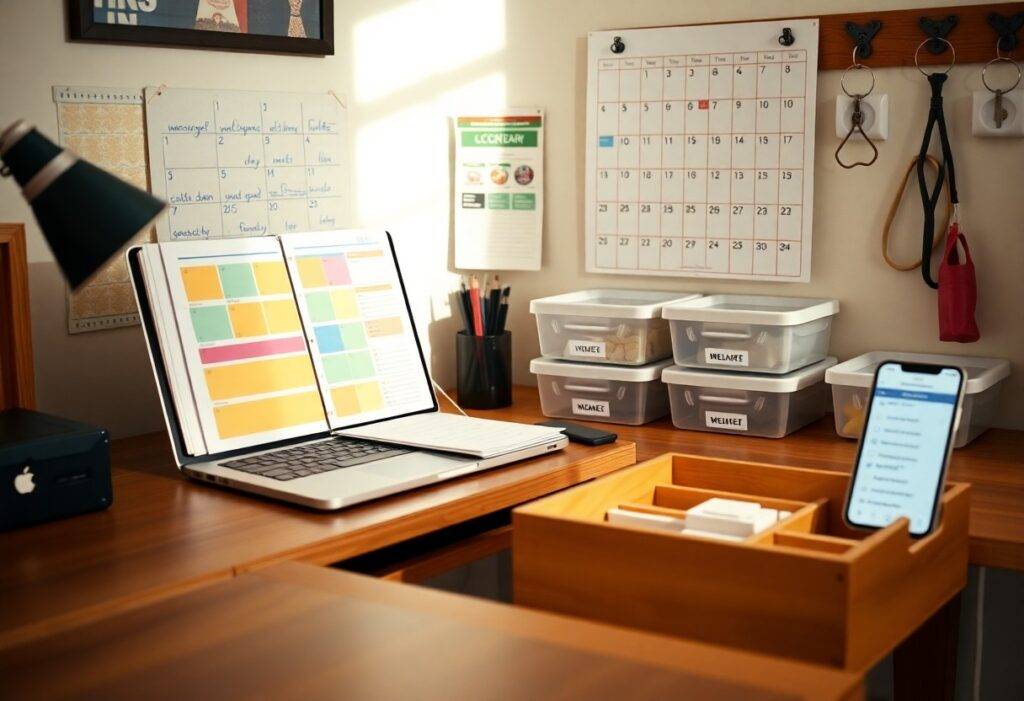
Most people equate buying stuff with happiness, but I show you how to invest in experiences that create lasting joy, reduce buyer’s regret, and build meaningful memories you own; follow my steps and you’ll transform your spending into sustained well-being. Key Takeaways: Experiences produce longer-lasting happiness than material purchases, creating memories that shape identity. Shared experiences strengthen social bonds and boost well-being more than solitary material goods. Novel experiences resist hedonic adaptation, keeping enjoyment fresh through storytelling and memory. Anticipation and reflection amplify the value of experiences, so plan and savor them intentionally. Experiences avoid maintenance, depreciation, and clutter, reducing ongoing financial and physical costs. Experiential spending aligns with personal values and identity, resulting in more meaningful choices. Prioritize shared, novel, and anticipated experiences; set a budget and document memories to extend their payoff. How to Audit Your Current Spending Habits Audit your last three months of statements; I categorize purchases into needs, wants, and subscriptions so you can spot where money leaks. Mark recurring charges and impulse buys, then estimate true monthly cost. That simple list reveals hidden expenses and quick wins to free cash for experiences. Identifying hidden costs of maintaining physical goods Spot storage, repairs, insurance, and time costs tied to your possessions; I track annual totals to show their true burden. You may find a cheap hobby item costs more over years than a memorable trip, so tagging these maintenance expenses makes reallocation obvious. Reallocating your budget toward an experience fund Shift small monthly amounts from nonnecessary categories into an experience fund; I set an autopay so I don’t miss the transfer. You’ll find consistency beats one-off splurges, and building the fund creates the expectation and planning needed for richer, lasting memories. When I reallocate, I list low-value subscriptions to cancel, sell unused items, and redirect proceeds into an experience fund. I automate transfers, trim a small daily habit, and keep contributions predictable so they accumulate. I also guard my emergency savings-do not touch it-and monitor the fund so I spend on meaningful moments rather than impulse purchases. How to Choose Skill-Based Investments Over Luxury Items Choosing skill-based investments helps me prioritize growth and memories; I assess time, transferability, and joy ROI to favor competence-building activities and avoid short-lived pleasure and buyer’s remorse. Investing in classes and workshops for lasting fulfillment I enroll in targeted classes and workshops that teach practical skills, giving me lasting competence, social bonds, and repeatable experiences instead of fleeting luxury. Developing hobbies that provide recurring experiential value Hobbies that grow skills and friendships keep delivering joy; I choose ones where practice yields ongoing rewards and avoid those that only mimic status. When I choose a hobby I look for progression, community, and low recurring cost so practice compounds into sustained satisfaction rather than occasional thrills. I set measurable milestones and drop activities that drain time without growth to steer clear of the trap of sunk-cost inertia. You can convert small, consistent effort into compounding happiness by picking pursuits that scale with practice. Conclusion I invest in experiences because they deepen my relationships, sharpen my perspective, and deliver lasting joy; you can prioritize travel, learning, or practice random acts of kindness : r/Millennials to amplify value in your life. FAQ Q: What does “invest in experiences, not things” mean and why does it increase happiness? A: Investing in experiences means spending money, time, and attention on activities, travel, learning, and shared moments instead of on material possessions. Research links experiences to greater long-term happiness because memories adapt less quickly than possessions, experiences shape personal identity, and events often strengthen social bonds. Anticipation of an upcoming trip or class and the stories people tell afterward both extend pleasure beyond the moment. Emotional value of experiences grows with time as memories get richer and more central to a person’s narrative. Q: How can I prioritize experiences when I have a tight budget? A: Start by tracking your spending for a month to see how much currently goes to things versus activities. Create a dedicated experiences fund and set a modest monthly target you can actually meet. Prioritize low-cost, high-return options like day trips, local cultural events, workshops, or having friends over for themed dinner nights. Use off-peak dates, community resources, swaps, and group discounts to lower costs without losing the memory-making effect. Pay for major experiences with saved money rather than impulse credit-card purchases to reduce post-event stress. Q: Which types of experiences deliver the most lasting happiness? A: Choose experiences that involve meaningful social interaction, novelty, a manageable challenge, or skill-building tied to your values. Shared activities and cooperative challenges produce strong social memories that people retell and relive. Low-cost examples include hiking with friends, community classes, museum memberships, and volunteering; mid-range ideas include weekend trips, workshops, and local festivals; big-ticket experiences include extended travel, immersive courses, or retreats planned for cultural connection. Repeated small experiences plus an annual larger adventure often beats sporadic big purchases for sustained well-being. Q: How do I avoid disappointment or buyer’s remorse when spending on experiences? A: Set realistic expectations by researching logistics, reviews, and typical conditions before booking so surprises are minimized. Prepare a flexible plan with one or two anchors (must-see items) and open time for spontaneous discovery to reduce stress. Practice savoring during and after the event: focus on sensory details, take a few photos to capture moments rather than replacing them, write a short note about a highlight each day, and share stories with friends. Limit souvenir shopping to small meaningful tokens that cue memories rather than trying to buy the feeling of the experience. Q: How should I balance spending on experiences with buying useful things? A: Use a simple rule: prioritize experiences for boosting happiness, but buy material items when they enable more experiences or remove recurring friction, such as a durable backpack, good-quality shoes, or weather-appropriate outerwear. Create three spending categories-imperatives, experience-enablers, and pure consumption-and allocate most discretionary funds to experiences and enablers. Combine gifting and celebrations into shared